

Dessert Wines of Noble Sweetness
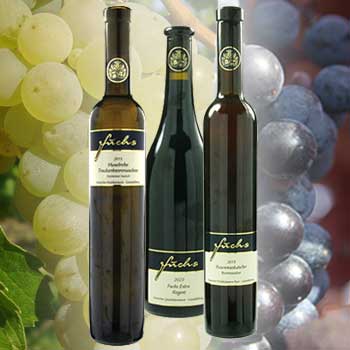
The dessert wines are the top qualities of each vintage.
These wines are suitable to spoil yourself. They go well with sweet desserts and cakes and with spicy pâtées and cheeses.
What are Wines of Noble Sweetness or “Dessert Wines”?
Wines of noble sweetness, also known as dessert wines, are top-quality wines that winemakers cannot harvest in every vintage. They require exceptionally high ripeness of the grapes and therefore very high must weights.
Wines of noble sweetness clearly differ from lighter sweet wines due to their significantly greater density, intensity, and pronounced sweetness. Semi-sweet wines are another level lighter than sweet wines and also noticeably less sweet.
What do Wines of Noble Sweetness Taste Like?
Dessert wines of noble sweetness – whether red, white, or rosé – are characterised by their high density and intense sweetness. The flavours of the respective grape variety are especially full-bodied and remain present on the palate for a long time.
Exquisite Enjoyment with Wines of Noble Sweetness
Enjoy these dessert wines whenever you want to treat yourself to something truly special. They are excellent companions to rich desserts and sweet dishes, foie gras pâté, as well as flavorful and mature cheeses.
Grape Varieties for Wines of Noble Sweetness
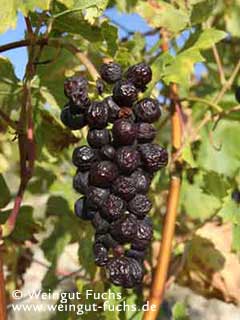
Not all grape varieties are suitable for wines of noble sweetness. The vines must be capable of reaching the required high must weights. Varieties such as Mueller-Thurgau or Portugieser are rather not suitable for this purpose.
Early budburst promotes a long growing season and extended ripening period for the grapes. In addition to the grape variety, site conditions also play a decisive role in the development of these top-quality wines.
White Wine Grape Varieties
The selection of suitable grape varieties is considerably broader for white wines of noble sweetness than for rosé and red wines. For our white dessert wines, we favour grape varieties that combine high levels of ripeness with expressive flavours.
- Huxel—a very fruit-driven grape variety
- Siegerrebe—fruity and spicy with a fine Muscat note
Red Wine Grape Varieties
Rosé and red wines of noble sweetness are produced from red grapes. To achieve the high must weight required for a dessert wine, many factors must come together: early budburst, favourable weather conditions, and a very late, highly selective harvest of perfectly healthy grapes.
The berries must not develop botrytis, which is often desirable for white wines of noble sweetness. Instead, the grapes must dry on the vine in a raisin-like manner, concentrating sugar, extract, and aromatic compounds. Suitable varieties include:
- Moscato Rosa—spicy aromas with a delicate rose fragrance
- Regent—a deeply coloured variety with pronounced berry notes
Yields for these dessert wines are extremely low, and harvesting is highly selective and usually carried out by hand. Wines of noble sweetness therefore rank among the rarest and most labour-intensive qualities in viticulture.
Enjoying Wines of Noble Sweetness
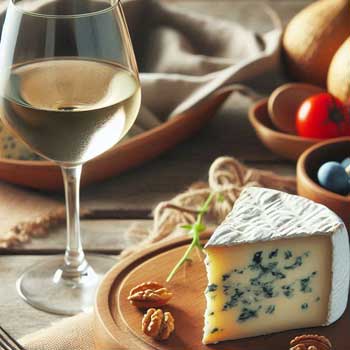
Dessert wines are equally suitable as an apéritif for a high-quality menu or as a standalone intermediate course.
White Dessert Wines
With food, these very sweet wines pair not only—as their name suggests—with desserts, pastries, and sweet dishes. They are also excellent companions to rich pâtés and to savoury and mature cheeses.
Rosé Dessert Wines
Rosé wines of noble sweetness combine intense sweetness with fruity freshness and subtle spice. They are particularly well suited to fruit-based desserts, fine pastries, and as an engaging companion to cheese selections.
Red Dessert Wines
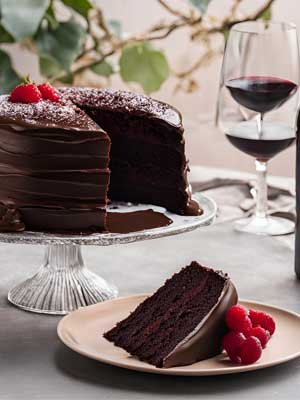
They pair wonderfully with rich, chocolate-based desserts such as tiramisu or mousse au chocolat, with pastries, fine chocolates, and matured cheeses.
Serving Temperature for Wines of Noble Sweetness
- White + Rosé Wines: well chilled to taste—cooling enhances fruit aromas and sweetness, creating a lively and refreshing impression
- Red Wines: Around 16–18 °C, and depending on preference and weather conditions, they may also be enjoyed slightly chilled
Simply try them and discover at which temperature you enjoy these wines most.
Storing Wines of Noble Sweetness
Thanks to their high concentration and natural sweetness, wines of noble sweetness have excellent ageing potential and can be stored for many years.
For ideal development, we use only high-quality natural corks for all wines of noble sweetness. Please store the bottles lying down so that the cork does not dry out. The wines should also be kept in a cool place at a constant temperature and protected from light.
Taste the Finest Wines of Noble Sweetness Directly from the Winery
 # 112(15)
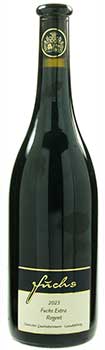
Fuchs Extra Regent Noble Sweetness · Red Wine
Regent · 9% vol · Rheinhessen · 2023
deep dark red dessert wine of expressive sweetness, pressed of fully ripe grapes of ‘Regent’
14,90 EUR
(19.87 EUR/l)Price per bottle (0.75 l)
incl. 19% VAT plus shipping fees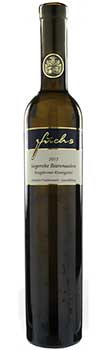 # 20(4)
Sieger + Ortega Beerenauslese Noble Sweetness · White Wine
Siegerrebe+Ortega · 10% vol · Pfalz · 2019
dessert wine with subtle fragance of flowers, noble sweetness and fruitiness
19,80 EUR
(39.60 EUR/l)Price per bottle (0.5 l)
incl. 19% VAT plus shipping fees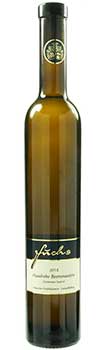 # 22(1)
Huxel Beerenauslese Noble Sweetness · White Wine
Huxelrebe · 9.5% vol · Rheinhessen · 2018
voluptuous white dessert wine with delicious fruitiness and sweetness
21,50 EUR
(43.00 EUR/l)Price per bottle (0.5 l)
incl. 19% VAT plus shipping fees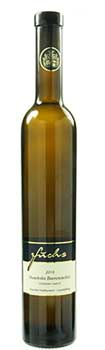 # 23(1)
Huxel + Sieger Beerenauslese Noble Sweetness · White Wine
Huxel- + Siegerrebe · 10% vol · Rheinhessen · 2019
very aromatic dessert wine of noble sweetness with fruity and spicy bouquet
Silver Medal AWC Vienna 202521,50 EUR
(43.00 EUR/l)Price per bottle (0.5 l)
incl. 19% VAT plus shipping fees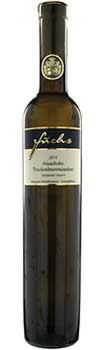 # 25(2)
Huxel Trockenbeerenauslese Noble Sweetness · White Wine
Huxelrebe · 10.5% vol · Rheinhessen · 2015
precious rarity, our top quality dessert wine of the sun-spoilt vintage 2015
Double Gold Medal CWSA 201625,50 EUR
(51.00 EUR/l)Price per bottle (0.5 l)
incl. 19% VAT plus shipping fees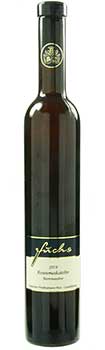 # 21(8)
Moscato Rosa Beerenauslese Noble Sweetness · Rosé Wine
Rosenmuskateller · 9% vol · Pfalz · 2018
pink dessert wine with full-bodied flavour and pleasant sweetness, extraordinary as an aperitif
23,50 EUR
(47.00 EUR/l)Price per bottle (0.5 l)
incl. 19% VAT plus shipping fees # 9999
Gift Voucher
Gift voucher for all products of Weingut Fuchs, redeemable in the online-shop
Choose any value from € 25from 25,00 EUR
Download after payment
Why Fuchs-Wines?
Our customers rate delivery, packaging and service 5.0 out of 5 (707 reviews).
Made in Rheinhessen
- Traditionally hand-crafted wines.
- Classics + rarities.
- Genuine. Individual. Authentic.
Top Wine from the Vintner
- Cultivated in the winery.
- From the winery straight to you.
- Voluntary 30-Day Return Policy.
Fast + Secure Shipping
- Shipping with DHL.
- Tracking included
- Delivery within a few days
FAQ – Frequently Asked Questions about Wines of Noble Sweetness
What are wines of noble sweetness?
Wines of noble sweetness are very sweet wines with a high level of natural residual sugar. They are made from very ripe grapes and are known for their intense sweetness and complex aromatics.
Are wines of noble sweetness very sweet?
Yes. Due to their natural residual sugar, wines of noble sweetness taste distinctly sweet and show pronounced aromatic intensity.
What do wines of noble sweetness taste like?
Wines of noble sweetness taste very sweet, concentrated, and complex. Typical flavours are ripe fruits, honey, dried fruits, or candied notes, often balanced by lively acidity.
What is the difference between wines of noble sweetness and sweet wines?
Sweet wines have clearly noticeable sweetness. Wines of noble sweetness go beyond that: they have particularly high residual sugar, greater aromatic depth, and are produced from selectively harvested, very ripe grapes.
Are wines of noble sweetness dessert wines?
Yes. Wines of noble sweetness are often referred to as dessert wines because they pair especially well with sweet dishes. They can also be enjoyed as an aperitif or on their own as a special treat.
How are wines of noble sweetness made?
Wines of noble sweetness are made from very ripe grapes, often through late harvesting or natural grape concentration. This preserves a high level of natural sweetness in the wine.
Do wines of noble sweetness have higher alcohol?
Not necessarily. Because not all sugar is fermented, wines of noble sweetness often have low to moderate alcohol levels despite their high sweetness.
How can you recognize a wine of noble sweetness when buying?
Clues include terms such as “Auslese”, “Beerenauslese”, “Trockenbeerenauslese”, “German quality wine with special distinction”, “wine of noble sweetness”, or “dessert wine”.