

Rosé Wine · Dry or Sweet
Buy in the Online-Shop of the Wine Estate
Rosé wines stand for carefree enjoyment: light and elegant, they are equally suited as companions to food, as terrace wines for balmy summer evenings, for social occasions and for pure enjoyment on their own.
How Rosé Wines Taste
Rosé wines taste fruity and fresh. Depending on the grape variety, fruit nuances and acidity can vary in their expression.
There are different levels of sweetness to choose from: select the style that suits your taste and the occasion best.
- Dry: no or hardly any perceptible sweetness
- Off-dry: a very subtle touch of sweetness
- Semi-sweet: light, pleasant sweetness, residual sugar up to a maximum of 45 g/l
- Sweet: pronounced sweetness, residual sugar from 45 g/l
- Wines of noble sweetness: very pronounced sweetness from highly ripe grapes in dessert wines
Flavour Diversity in Rosé Wine from Dry to Sweet
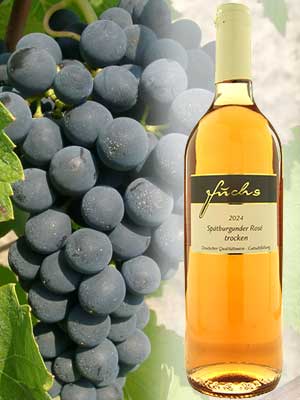
In terms of sweetness, the range includes rosé wines from completely “bone”-dry to very sweet. In addition, rosés differ in their fruit expression and colour intensity. You will find details in the tasting description of each rosé wine.
Enjoying Rosé Wines
Dry and Off-Dry Rosé Wines
Dry rosé wines are particularly well suited as companions to food. They pair well with meat and poultry dishes, fish and seafood, pasta and vegetarian cuisine, Asian dishes, as well as with cheese, ham or a cold supper.
Semi-Sweet and Sweet Rosé Wines
The semi-sweet and sweet rosés are the right choice for you if you prefer wines that are not quite so dry. They are wines for enjoyment, often served “just as they are”, out of pure pleasure – wonderful party and terrace wines.
With food, semi-sweet and sweet rosé wines pair well with sweet-and-sour and aromatic dishes.
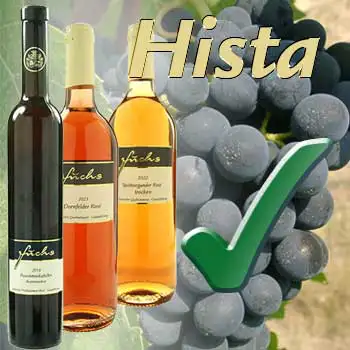
Histamine-Certified Rosé Wines
For each histamine-tested rosé wine you will find a specific histamine analysis that precisely documents its histamine content. Connoisseurs who suffer from histamine intolerance can use these analysis values to decide whether these wines are suitable for them.
Serving Temperature for Rosé Wines
Rosé wines taste best well chilled. A serving temperature of 8–10 °C allows the wines to show their freshness and elegance particularly well.
Which Grape Varieties are Used to Make Rosé?
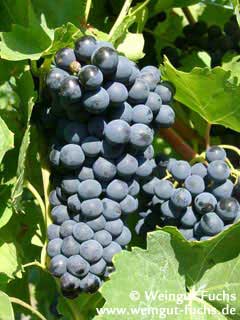
In accordance with German wine law, we produce rosé wines exclusively from red grape varieties.
Suitable Red Grape Varieties for Rosé Wines
Not all red grape varieties are suitable for rosé production. Particularly colour-intensive or strongly tannic varieties would deliver neither the desired rosé colour nor the fresh, light, fruity style expected of a good rosé.
To meet these requirements, we produce rosé wines from only a few selected grape varieties:
- Dornfelder – a very fruity, modern grape variety
- Portugieser – a delicately fruity, traditional variety
- Pinot Meunier – the ancestor of the Burgundy family
- Pinot Noir – one of the classic Burgundy varieties
- Moscato Rosa – an aromatic bouquet grape variety
Why Fuchs-Wines?
Our customers rate delivery, packaging and service 4.95 out of 5 (720 reviews).
Made in Rheinhessen
- Traditionally hand-crafted wines.
- Classics + rarities.
- Genuine. Individual. Authentic.
Top Wine from the Vintner
- Cultivated in the winery.
- From the winery straight to you.
- Voluntary 30-Day Return Policy.
Fast + Secure Shipping
- Shipping with DHL.
- Tracking included
- Delivery within a few days